
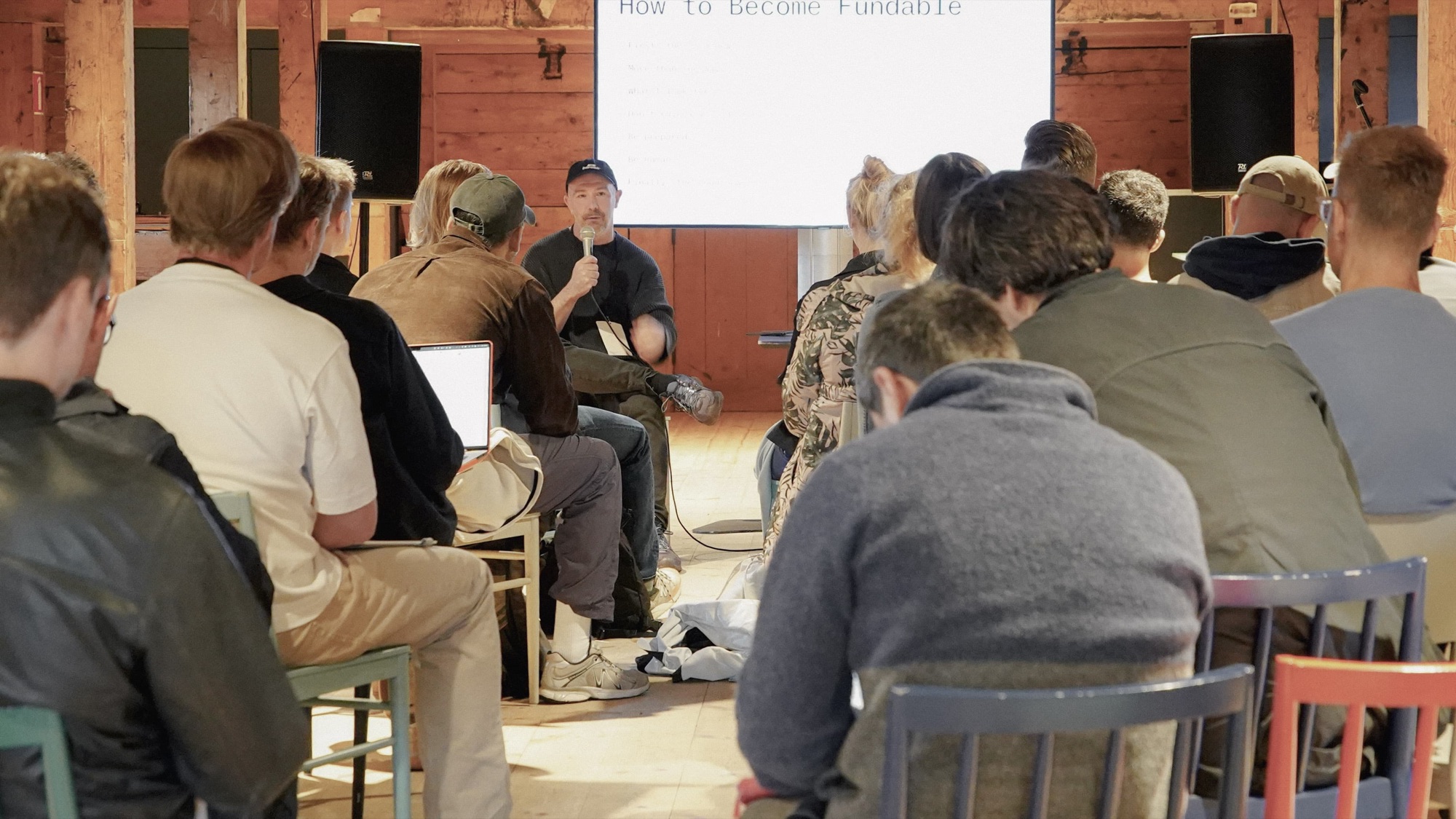
Serial investor Neil Murray on why everyone is fundable – and why you should never ruin a good story with data.
As a serial investor with nearly a decade’s experience and his own angel fund, and with around 70 notable investments under his belt including stakes in unicorns like Lovable, as well as being a former recipient of Y Combinator money, Neil Murray knows a thing or two about how startups can best position themselves to attract funding from angels, seed investors and funds alike.
Neil’s central thesis is that everyone is fundable – he also says, though, that securing this funding is never easy. Even someone like him, who has experience of multiple fundraising rounds for his own ventures, faces challenges each and every single time he repeats the process.
Being fundable, despite what you read online about the ‘must-have’ qualities that all companies need, is an entirely subjective question; there are many routes to funding, and there are many different factors which influence investors to put their money into early-stage companies. Not every type of funding is right for every type of company, and the first and most important step for founders seeking investment is to determine which of the potential options is the best fit for them, their business and the path to market they want to take.
Neil’s personal selection criteria have evolved over time – he explains that he once tried to base investments on his belief in future market movements, but quickly learned that his status as an investor didn’t make him Nostradamus. He stopped looking at markets and started looking at founders – are they credible, are they backable, are they likeable, are they, fundamentally, good people. Credibility related to the product you’re building is, in Neil’s mind, the most important thing to communicate – the most fundable version of any founder is the one who is passionate, experienced, knowledgeable within a specific field or sector, which makes them the best person to build a business in that area.
When he invested in Lovable, he had a 30-minute phone conversation with one of the founders, Anton Osika, before saying yes. He explains, “That was in 2023, at the pre-launch stage, but the conversation was wide-ranging, about building companies, Y Combinator and the future of tech – but we didn’t talk specifically about the company. It was about determining whether they were people I wanted to work with – are they credible, and will I meet two people who are more credible? I decided the answer was ‘no’ – and so I invested.”
That sort of connection and personal passion – and the ability to communicate that – is vital. “Investment at this sort of early stage is fundamentally subjective – if you’re at an early stage and people are saying ‘come back when you have X metric’, they’re probably not the right investor for your business. 99% of the time these are excuses, designed to leave the door to a deal ajar despite there being no real intention; there’s no incentive for investors to be honest with you about their feelings, because they never want to entirely close off deals.”
“99% of the time [these requests for metrics] are excuses, designed to leave the door to a deal ajar despite there being no real intention.”
Neil Murray
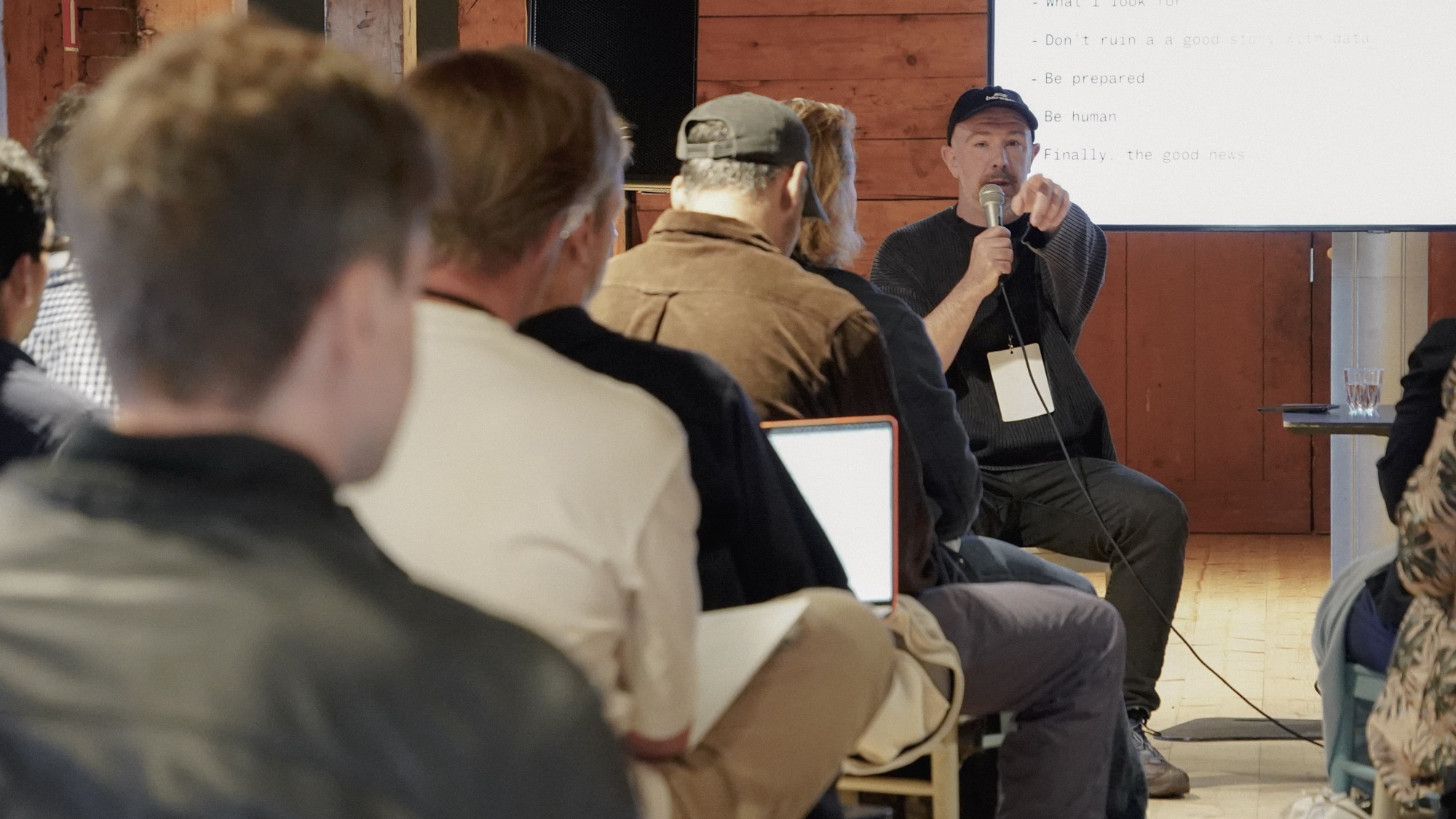
Having raised funding for his own social platform in the past, Neil has specific expertise in this area. His second main piece of advice is ‘don’t ruin a good story with data’. He acknowledges that raising for social platforms is challenging; there are very few moments where you’re strong enough to say ‘this is working, you need to believe in us’. One of those times, perhaps perversely, is pre-launch, when you have the idea and the passion and the story and you can lead with that. Post-launch, when you have numbers that are… OK, but not amazing, you’re making it easier to say no. Neil advises companies in the earliest stages to seek funding pre-launch based on the qualities he outlines above – because those will be attractors for the right investors.
While an amazing team used to be vital, in 2026 a lot of investors are more open to pitches from small teams or single founders, because the requirements have shifted so much in recent years. If the belief in you is there, you can be funded regardless of whether you have a team of ‘rockstars’ behind you.
“Don’t ruin a good story with data.”
Neil Murray
Some VCs will say they want numbers, some say they want traction – you can’t please everyone, and it’s unlikely that if you’re at an early stage you will have all of the data needed to keep everyone happy. If you’ve built an audience solely on organic growth, there will be an investor who’s put off because there’s no evidence of the cost of scaling and who will turn you down on that basis; if you’ve focused solely on marketing as an acquisition channel, someone will question the core product appeal. Focus on your passion, your story and why you are the right person to launch this business – because you will never satisfy everyone with data.
People obsess about ‘decks’, but they will not be the determining factor in raising money (at an early stage at least). Neil points out that he often invests having never seen any slides – it’s hygiene, but not the be-all and end-all.
Being prepared is also key – not just data and pitch, but being mentally prepared too. Raising money is draining – weeks of calls with investors will take it out of you, and it’s key to acknowledge this aspect of the journey. It will be challenging and occasionally dispiriting. It requires work to get into the right frame of mind and to become strong enough to endure the particular stresses of the fundraising round – the right preparation, mindset and attitude can make the difference between raising 1 million in two years and 5 million in a month.
Investors can sense self-doubt – and that’s the kiss of death for any fundraising endeavour. Being defensive when challenged, being trepidatious, won’t work; what worked for Neil was reaching the point where he almost didn’t care any more: “I had this inner moment of pure conviction around what I wanted to do; when people started feeling that, that’s when everything changed and I became fundable.”
“I had this inner moment of pure conviction… when people started feeling that, that’s when everything changed and I became fundable.”
Neil Murray
Fundamentally speaking, funding is a human-to-human consideration; Neil says that being an investor is a privileged and selfish position, where he gets to choose who he works with. On that basis, liking the people you’re investing in is crucial – and that’s where finding investors who you connect with on a human level is a key component of securing the funding you need. Be your whole self, and you will find the right investors for your business.
In some respects, the less polished you are at early stages the better – bring your real self, not the over-rehearsed version. Have three things you want to communicate – three messages, three key points – and keep coming back to those. Investors will try and interrogate you and lead you down different paths you don’t want to go down – if you keep coming back to your three points, they will land. If you do that, you have done the best you can and that, in Neil’s mind, is a successful fundraising meeting.
It’s also a numbers game – start with your network, the people who believe in you, then expand from there. It is a transactional process, you have to put yourself out there, and you have to go and have those conversations – but how you have them, and who you have them with, matters.