
A new wave of European platforms are building communities around shared values – and reimagining what it means to explore the world
A recurring theme of the participating travel platforms at Rebuild 1 was an ambition to support communities of shared values or interests. Diving into the uncatered-for needs of diverse communities, the European travel platforms are redefining social travel.
One of those platforms is Quouch, a queer travel platform inspired by couch surfing. But users – who can only access the app through an invite or application – don't just find a place to stay through the 30,000-person, 80+ country network; they also get to connect with and experience the location like a local queer person.
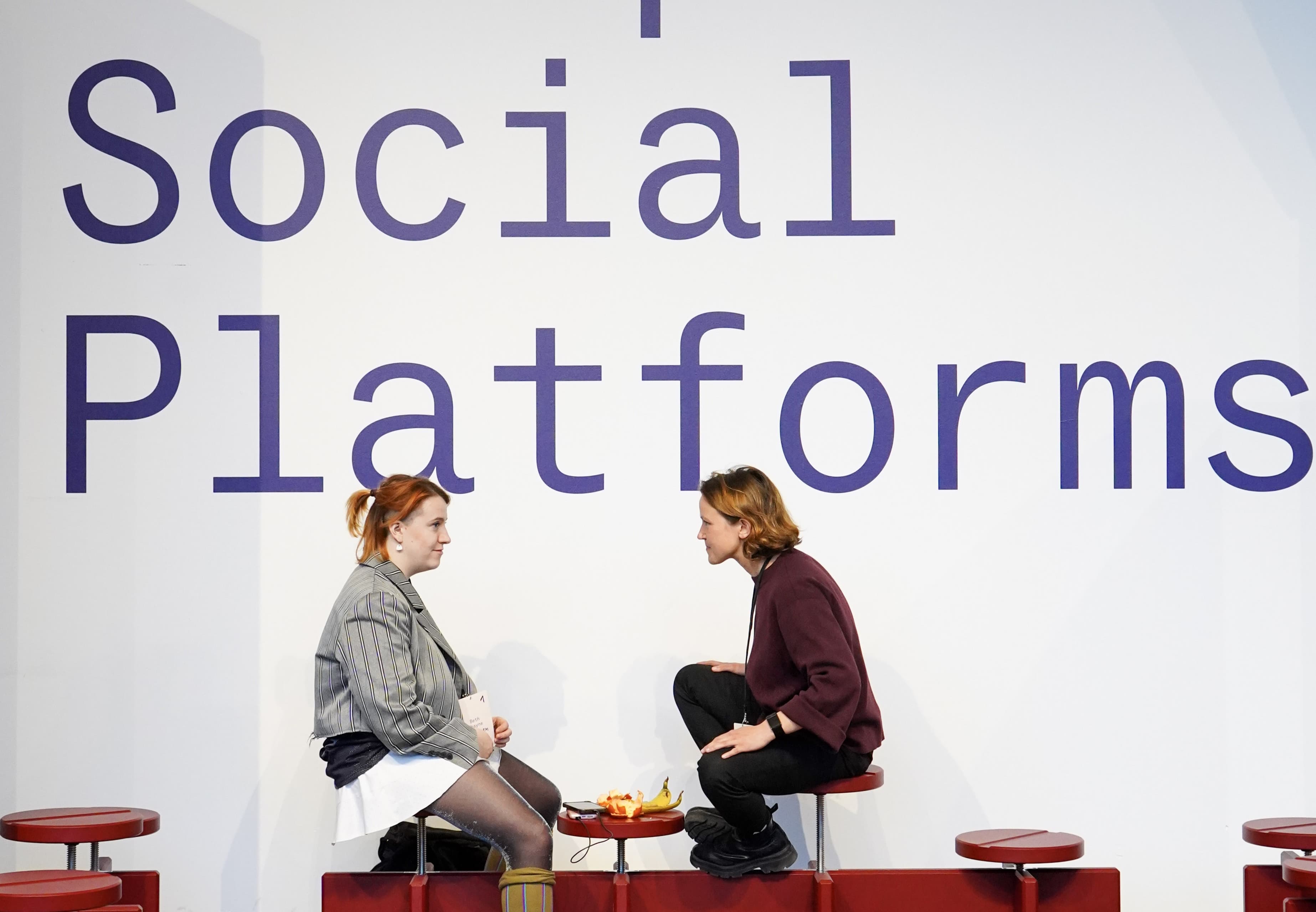
At Rebuild, we're joined by Nora von Breitenbach and Beth Thayne from Quouch. "A person from our community described it as a friend-of-a-friend feeling," says Thayne. "You go to a new city, you meet this person who shows you around, sometimes even includes you in their plans, and you get to experience the place through the eyes of the person hosting you."
”what we actually want is for it to be so easy for people to make this connection and have a real-world experience”
Beth Thayne
Another aspect of the design of Quouch is safety – especially for marginalised communities. Nora and Beth share the story of a lesbian couple on the app who tried to go to Tanzania, and in doing so disclosed their sexual orientation to the government. "They were immediately deported," says Thayne, but to a third country, Turkey, where same-sex relationships are legal, but being openly queer can be dangerous. "They used Quouch to find someone to stay with in Istanbul," says Beth, so they were able to access the vibrant, but usually invisible, queer scene. Usually when you travel as a queer person, you're limited to generic options, and maybe some gay bars you find on Google Maps. But Quouch was built to provide a fundamentally different experience.
"We straddle these two worlds of impact and tech. We have the big tech narrative, where we're talking about retention and keeping people on the app, but what we actually want is for it to be so easy for people to make this connection and have a real-world experience," says Thayne.
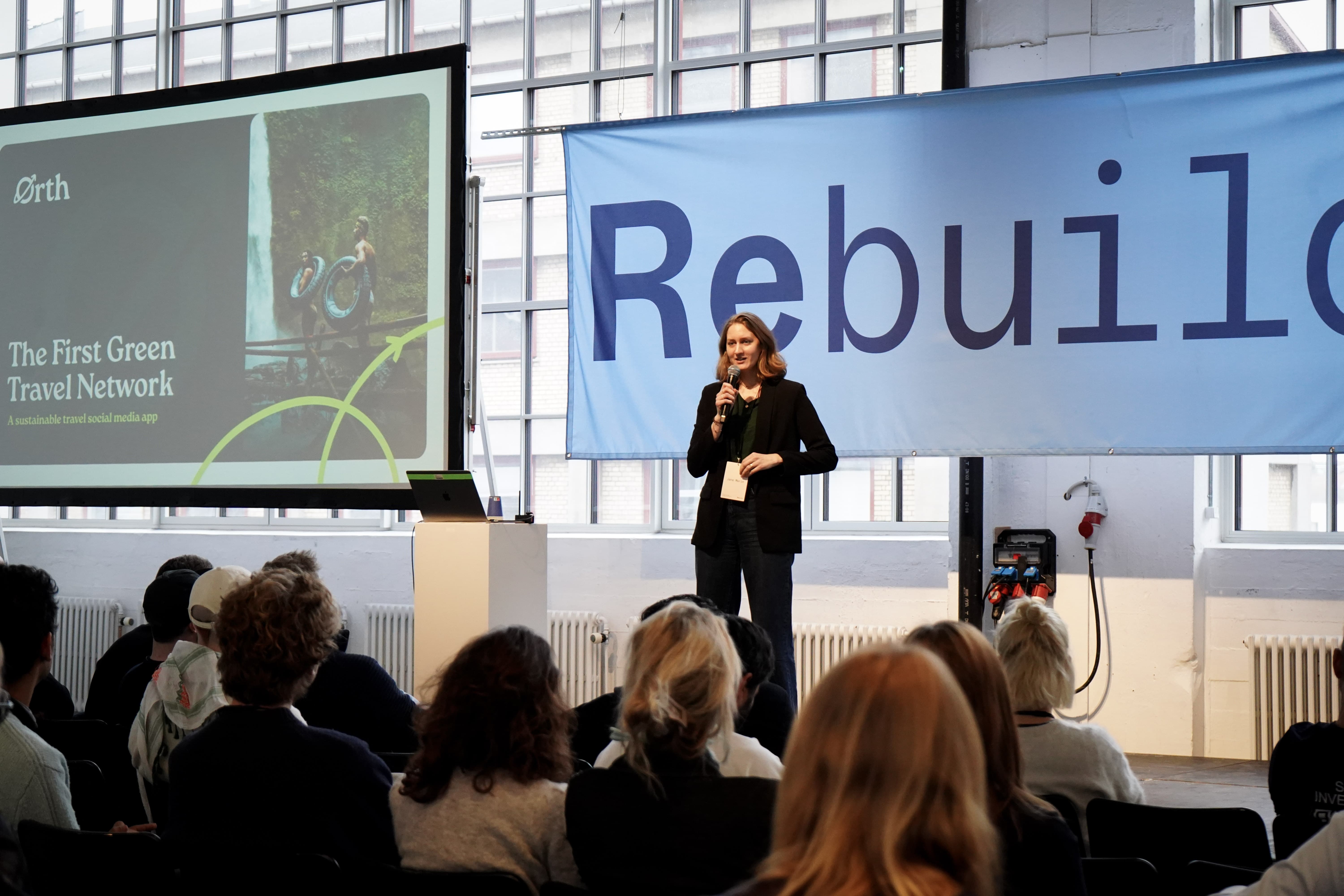
Quouch is just one example of how social platforms are being built to create new ways to travel and explore the world. Another community-driven travel platform is Ørth – a green travel platform for people who care about nature and the planet. Founder Jana Marie Bald was also presenting on stage at Rebuild 1, and coined her ambition as: "Travel is not a reward for working, it's education for life." That's why she has created a social network of travellers who care about sustainability, "so you can easily find a green travel buddy."
Another theme in the design of new travel platforms is local discovery. Soko, a Lisbon-based start-up, is a discovery engine for your city or neighbourhood. There are so many things happening locally, but often we don't realise they've happened until they're over, founder Joao Albino explained on stage. Search engines don't help much – they just give generic answers, whilst social media feeds get clogged up with irrelevant information. To bring something new and personal, Soko uses a combination of search, real people, and AI agents to create a matchmaking effect for local events.
Pitched as "the antidote to doomscrolling", Questdrop is another platform that puts a social twist on neighbourhood exploration. According to co-founder Petter Uvdal, it's a combination of Pokémon Go, Google Maps, and BeReal: "It's all about encouraging you to go outside." Every day the app presents the user with a new photo challenge. On the day of our interview, it's Tuesday – “Shoesday”. Take a photo of your shoes and upload it (with a couple more if you'd like) for only your friends to see.
The user is also prompted to solve challenges and earn points. There are challenges dotted around the map, but you can only access them when your GPS signal is close by, which means you've got to mosey around town if you want to earn points for the day. The points don't mean anything, Uvdal says, but people seem to want them.
Perhaps – like users of all these apps – they just wanted an excuse for exploration.